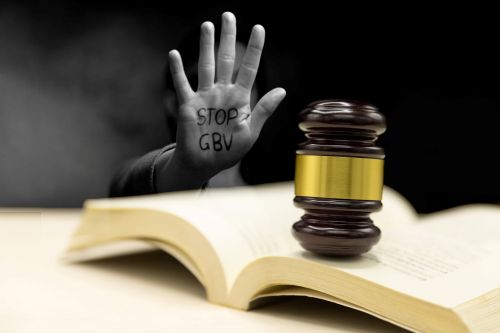
Graphic: Hope Mukami, bird story agency
From specialised courts and integrated survivor-care centres to femicide reviews and digital safeguards, governments and institutions are developing broader approaches that connect prevention, protection and accountability in responding to violence against women and girls.
By Bonface Orucho, bird story agency
26 November 2026
African governments are developing new approaches to prevent violence against women and girls, improve survivor support and strengthen access to justice.
From specialised courts and integrated care centres to femicide reviews and digital safeguards, emerging reforms point to a broader shift towards prevention, institutional accountability and justice systems designed around survivors’ needs.
According to a World Health Organization (WHO) analysis published in October 2026, nearly 30% of girls aged 15–19 worldwide, about 43 million, have experienced intimate partner violence, non-partner sexual violence or both during their lives, based on 2023 estimates.
The analysis found that 23% of adolescent girls aged 15–19 who had ever had a partner experienced physical or sexual violence from an intimate partner, while 16% experienced it in the preceding year.
WHO warns that violence beginning during adolescence can affect girls’ health, education, economic opportunities and relationships throughout their lives.
“Violence against adolescent girls is shaped by factors at the individual, relationship, community and societal levels, including gender inequality and discriminatory social norms,” the agency notes.
It calls for stronger prevention through girls’ education, ending child marriage, comprehensive sexuality education, legal protection and survivor-centred health services.
One of the clearest institutional shifts is taking place within justice systems, where specialised courts and trauma-informed procedures are being introduced to make reporting, testimony and prosecution less difficult for survivors.
In Kenya, the Judiciary reported in June 2026 that 13 specialised gender-justice courts were operational, with Chief Justice Martha Koome saying they were intended to expedite gender-based violence cases, provide psychosocial support and improve justice outcomes for survivors.
“Ending GBV requires bold multisectoral collaboration, stronger prevention measures, accountability for perpetrators, and sustained protection and empowerment for women and girls,” Koome said during a national stakeholder forum.
Rwanda has developed a different model by bringing medical, psychosocial, legal and investigative services together through its Isange One Stop Centres.
In October, the United Nations reported that 48 centres were providing integrated support, alongside shelters and reporting channels.
The UN also cited Rwanda’s official figures showing that 37,403 gender-based violence cases were received between January 2021 and June 2025, with 19,242 cases filed before courts and 14,815 perpetrators convicted.
South Africa is combining institutional accountability with expanded survivor services and specialised justice infrastructure.
Its Femicide Review Pilot, launched in August, examines killings of women, identifies institutional failures and establishes whether earlier interventions could have prevented deaths.
The reviews are intended to generate lessons for police, health services, prosecutors and other agencies, shifting the response beyond individual investigations towards systemic prevention.
On November 20, Mpumalanga opened its seventh Thuthuzela Care Centre at King Nyabela Hospital in Middelburg, bringing medical, forensic, psychosocial and prosecutorial support together for communities across the district.
The government has also announced a broader R5.1 billion (about US$288.21 million) package of gender-based violence and femicide interventions. This includes R3.8 billion (about US$215 million) over the medium term to recruit 3,552 social workers, R186 million (about US$10.5 million) for forensic and investigative capacity, and plans to expand sexual offences courts from 55 to 101 and Thuthuzela Care Centres from 72 to 80 by 2028/29.
These are funding commitments and expansion targets, making implementation and sustained financing the next test.
The scale of the challenge remains evident. South Africa’s Parliament reported on November 25 that police received 50,511 gender-based violence and femicide cases during the 2025/26 financial year, of which 30,736 resulted in arrests, referrals to the National Prosecuting Authority, or both.
On the same day, the country launched the Khayelitsha Sexual Offences Court, with Women, Youth and Persons with Disabilities Minister Sindisiwe Chikunga and Deputy Justice Minister Andries Nel presiding over the launch.
The court is intended to bring specialised support closer to survivors in Khayelitsha and surrounding communities. According to the Department of Justice and Constitutional Development, it includes private waiting areas for complainants and separate CCTV-equipped rooms where children and other vulnerable witnesses can testify outside the courtroom.
Court Preparation Officers and intermediaries will support survivors and witnesses, particularly children, persons with disabilities, older people and those who have experienced trauma.
“These measures are intended to reduce the risk of further trauma during court proceedings, help finalise cases without undue delay and improve conviction rates,” the department said.
At the continental level, Ghana and The Gambia have become the first two countries to ratify the African Union Convention on Ending Violence Against Women and Girls.
Adopted in February 2025, the convention addresses violence including femicide, technology-facilitated abuse, economic coercion and conflict-related sexual violence, but requires 15 ratifications to enter into force.
The African Commission on Human and Peoples’ Rights is also advancing work on digital violence against women. Its draft continental study examines online harassment, cyberstalking, image-based sexual abuse and AI-generated sexual deepfakes, with stakeholders invited to submit recommendations by December 4, 2026.
Despite these interventions, the scale of violence remains stark. Africa recorded an estimated 22,100 women and girls killed by intimate partners or family members in 2025, the highest regional toll globally, at a rate of 2.9 victims per 100,000 female population, according to the 2026 Femicide Brief by the United Nations Office on Drugs and Crime (UNODC) and UN Women.
The developments come as the annual 16 Days of Activism against Gender-Based Violence campaign begins on November 25, the International Day for the Elimination of Violence against Women, and runs until December 10, Human Rights Day.
The 2026 campaign, themed “Ensure justice, protect survivors, end impunity”, calls on governments and communities to strengthen prevention, improve survivor protection and hold perpetrators accountable.
bird story agency
Leave a Reply